First-Time Buyers
Should my first home in the South Bay be a condo in San Jose?
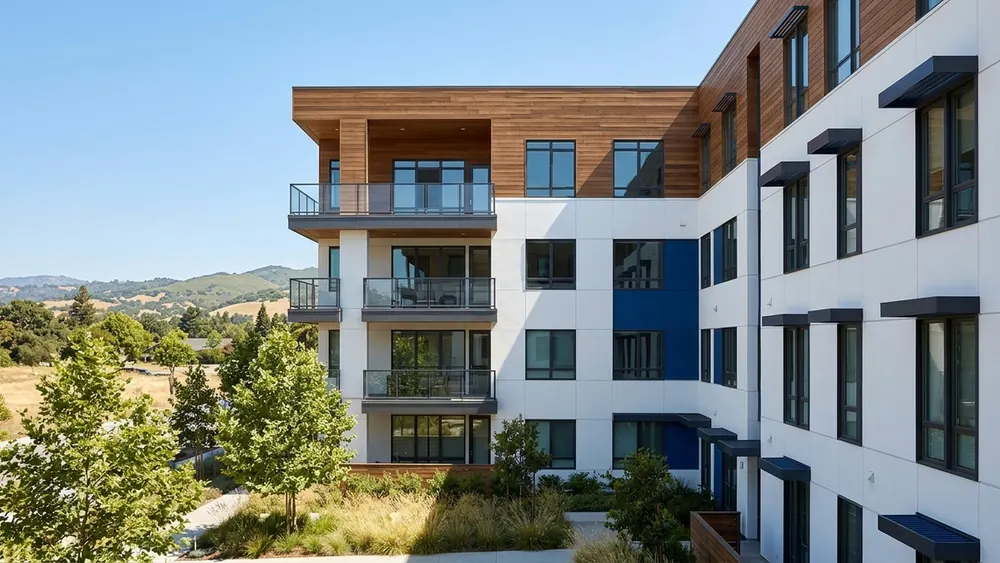
A condo in San Jose can be a sensible first home if the full monthly cost, the building rules and how long you expect to stay fit your plans. Read the HOA documents first, then compare it honestly with waiting for a house.
On this page
The short answer on a first condo
It can be, and for some buyers it is a reasonable first step. A condo in San Jose can be a lower-cost way into South Bay ownership than a single-family home, but whether it fits you depends on three things: the full monthly cost including dues, what the building rules allow, and how long you expect to live there. If those line up with your plans, a condo can work well as a first home. If they do not, waiting for a house may suit you more.
This matters because a first purchase is often framed as a choice between owning now and owning the right thing later. That framing hides the real work, which is comparing two very different kinds of ownership. A condo comes with shared walls, shared decisions and an association that sets rules and collects dues. A single-family home comes with full responsibility for the roof, the yard and every repair. Neither one is automatically the smarter move for everyone.
A first home also does not have to be a forever home. Plenty of buyers treat a first purchase as a starting point rather than a final answer, and plan for what comes next. The goal here is to help you weigh the trade-off plainly, know which questions to ask, and know who answers each one, so the decision you make is one you understand well before you write an offer on anything. Start with the questions, and the right home type usually becomes clearer.
What owning a condo actually asks of you
Before you compare prices, it helps to see what owning a condo looks like day to day. You own your unit, and you share ownership of and responsibility for the rest of the building with every other owner. The association handles much of the upkeep and pays for it through dues. In return, you agree to follow rules you did not write and to accept decisions made by a board and by votes of the owners. Here is what that usually adds up to:
- Monthly dues that sit on top of your mortgage, property taxes and insurance
- Building rules that can cover pets, rentals, parking, noise and renovations
- Shared decisions about repairs, budgets and future projects for the building
- Shared walls, floors or ceilings with the units around yours
Questions to answer about yourself first
The condo or house question gets easier once you answer a few questions about yourself. Write your answers down before you start touring, because they will change what you look at and how you compare it. None of these has a right answer. They simply tell you which kind of home matches the way you plan to live over the next stretch of your life, and they give you something steady to measure each showing against.
- How long you realistically expect to stay before your needs change
- How much total monthly cost you are comfortable carrying, with dues included
- Whether you want outdoor space, a garage or room for a future project
- How you feel about following association rules on pets, rentals and changes
- Whether you would rather handle repairs yourself or share them through dues
Reading the monthly cost honestly
The list price of a condo is only part of the picture. Dues are a real monthly cost, and they can change over time as the association updates its budget. When you compare a condo with a house, compare the full monthly picture side by side: the mortgage payment, property taxes, insurance and, for the condo, the dues. A licensed lender can help you see what that total looks like for your situation before you commit to a search.
Ask what the dues actually cover. In some buildings they include water, trash, exterior maintenance and insurance on the structure. In others they cover less, and you pay more of those costs on your own. Two condos at similar prices can carry very different monthly costs once you read the details. The association’s own documents are the source for that answer, not the listing description and not a general rule of thumb someone shared with you.
Then ask about the future. Every building ages, and roofs, elevators, plumbing and exteriors eventually need work. Find out how the association plans for those repairs and whether it holds reserves for them. If the plan looks thin, owners may be asked to pay more later through a special assessment. That is a question to raise early, read about in the documents, and take to a real estate attorney if anything in them is unclear to you.
What touring houses can teach a condo buyer
Even if a condo is where you land, it helps to see what the single-family side looks like. In a June 2026 market update drawn from weekly broker tours in Los Gatos, Monte Sereno, Cambrian and East Los Gatos, Bri noted more homes coming on the market and a mix running from historic craftsman homes to new construction, some with ADUs. That range shows how different two houses can be, even before you set them beside a condo.
For a first-time buyer, that range is useful context rather than pressure. More homes on the market means more to compare, not a reason to expect lower prices. Seeing a few houses alongside a few condos makes the trade-off concrete instead of abstract. You start to notice what you would give up and what you would gain, whether that is a yard, a shorter list of repairs, or a lower and steadier monthly commitment.
Tour one condo and one house in the same week. You will learn more about what you want from that comparison than from any list of pros and cons.
Assumptions that lead to surprises later
A few assumptions trip up first-time buyers on both sides of this choice. One is that a condo means no repairs. Inside your unit, you may still be responsible for appliances, flooring, fixtures and more, depending on how the documents divide responsibility. Another is that any condo can be rented out later. Many associations limit rentals, so if you think you might keep the unit when you move on, read the rental rules before you make an offer.
On the house side, buyers sometimes assume a single-family home will need little beyond moving in. Older homes, including many craftsman houses, can carry deferred work that a licensed home inspector will point out. Newer construction has its own questions about finishes and warranties. Neither type removes the need for inspections and careful reading. Bri can walk you through what to look at in each, and the right specialists confirm the details. Plan for both, whichever way you lean.
Your next step before you decide
Start with numbers you can trust. Talk with a licensed lender about what monthly cost fits you, including room for dues. Then write down your answers to the questions above, along with your must-haves and your nice-to-haves. Keep that list short and honest. A focused list makes it much easier to compare a San Jose condo with a single-family home elsewhere in Santa Clara County without getting pulled in every direction at once.
Next, gather questions for each condo you consider. Ask for the HOA documents early, including the budget, the rules, recent meeting minutes and information on reserves and planned repairs. Ask an insurance agent what coverage you would need for the unit itself. Ask the City of San Jose about anything that touches permits for the building. Each source answers a different piece, and together they give you the full picture.
When you are ready, bring your list to Bri. Bri sees homes on tour every week and can tell you plainly what a condo or a house in your range tends to look like right now, and what to look at first. There is no pressure to decide on the spot, and no wrong place to start. So, what matters more to you in a first home: a lower monthly commitment, or room to grow into?
This article is general information about buying and selling homes in Los Gatos and the nearby South Bay. It is not legal, tax, lending, inspection or appraisal advice and does not predict prices or promise results. Confirm ADU, permit and jurisdiction questions with the Town of Los Gatos, the City of San Jose or Santa Clara County, HOA details with the association’s documents, financing with a licensed lender, and property condition with a licensed home inspector. Bri Secviar, Compass.

Written by