Seller Prep
How do pre-sale improvement programs work for San Jose sellers?
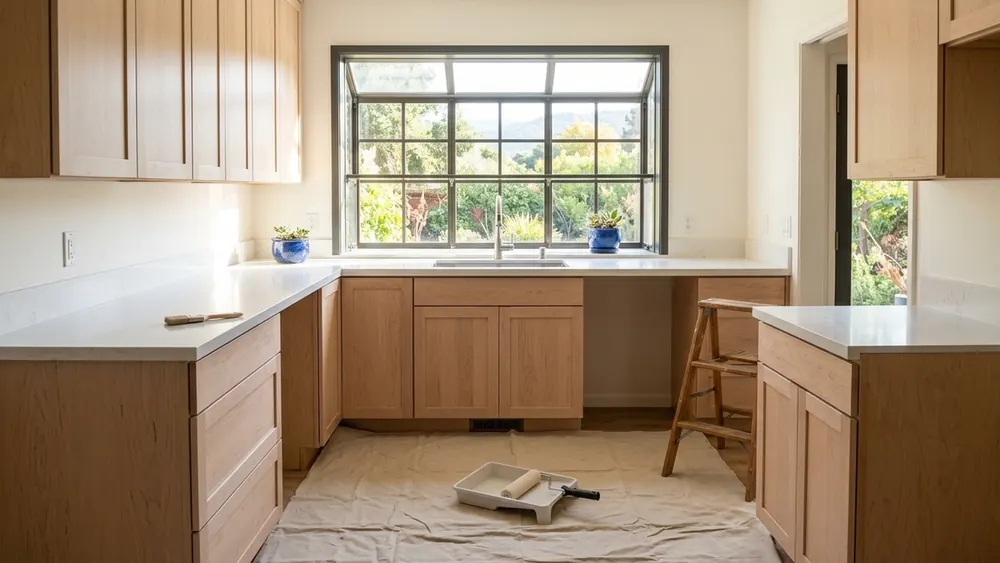
A pre-sale improvement program helps a seller fund agreed repairs or updates before listing. Through Compass, Bri can explain Compass Concierge in general terms, but the program’s current details come from Compass and no project carries a guaranteed return.
On this page
What a pre-sale improvement program actually does
A pre-sale improvement program helps a seller fund work on a home before it goes on the market, so the repairs or updates can happen without paying for everything up front. For San Jose sellers working with Compass, the program to know about is Compass Concierge, a brokerage program that helps fund pre-sale improvements. Bri can explain how it fits into a preparation plan, while the program’s current details come directly from Compass.
That last point matters. Terms, eligibility and how any funding is handled are set by the brokerage and can change, so they are not something to assume from an article or a neighbor’s experience. The right move is to review the current details with Compass before you commit to any work. This article covers how to think about the decision, not the fine print.
The bigger question is not how the program works but whether your home needs the work at all. Funding makes a project easier to start. It does not make every project worth doing. A sensible use of a program like this is a short list of improvements that help your home hold up against what buyers will tour that same month.
Why the funding question comes up at all
Many sellers know their home has a few things buyers will notice, such as worn paint, tired flooring or a yard that needs attention. What holds them back is timing. They are often paying for a move, a next home or both, and putting money into the current house before it sells can feel like one cost too many at the wrong moment. So the work gets put off, and the home goes on the market with the same small issues buyers will spot in the first room.
A program that helps fund improvements is meant to ease that timing problem. Instead of choosing between listing as is and draining savings first, a seller can discuss a third path. Whether that path makes sense depends on the home, the plan and the current program details, which is why the conversation starts with the house rather than the funding.
Home preparation before listing is one of Bri’s stated strengths, and broker tours add a useful check. Seeing new listings each week shows which kinds of homes are coming up in San Jose and around Los Gatos, and what condition buyers are seeing. That view helps separate the projects worth discussing from the ones that would only add time and cost. It also keeps the plan honest, because the list is measured against real homes rather than general advice.
Deciding which projects belong on the list
Start with the items buyers notice right away and the items likely to come up in an inspection. Fresh paint, repaired fixtures, cleaned or replaced flooring and tidy outdoor space are common candidates because they change the first impression. Bigger projects, like a remodel or new layout, deserve more caution, because they take longer and may not match what the next owner wants.
Then compare your list to the homes buyers will tour. If similar San Jose homes on the market look updated and move-in ready, a few targeted improvements may help yours stand alongside them. If competing homes are mostly original, heavy updates may not be needed. The comparison set is what turns a long wish list into a short, focused one.
Treat every improvement, funded or not, as a choice to weigh rather than a guaranteed return. No program and no project can promise a particular sale result. The useful question to ask about each item is whether it helps a buyer see the home clearly and feel comfortable with its condition, and whether you can finish it well before you list.
Questions to ask before you commit
Before agreeing to any funded work, get clear answers on the program itself and on the work. The program questions go to Compass, the work questions go to licensed contractors, and the permit questions go to the city. Writing them down first keeps the conversation focused and helps you notice if anything is unclear. A list of plain questions also makes it easier to compare answers later, if your plans or the program details change.
- What the current program terms and eligibility are, confirmed directly with Compass
- Which items on your list the program could apply to, and which it would not
- Who chooses and schedules the licensed contractors, and how the work is reviewed
- Whether any project needs a permit from the City of San Jose planning department
If any answer is unclear, ask again before work starts. It is far easier to adjust a plan on paper than to change course halfway through a project. A real estate attorney or a tax professional can help with any legal or tax questions about the arrangement or the sale, since those are outside what an agent should answer.
Who answers each part of the decision
A pre-sale plan touches several professionals, and each one answers a different part. Knowing who to ask saves time and keeps you from relying on guesses. This table is a simple way to keep the questions sorted before your first conversation about preparing to sell. Some questions overlap, and that is fine, but each one should have a clear owner so nothing important falls between two professionals.
| Question | Why it matters | Who to ask |
|---|---|---|
| Which improvements are worth discussing | Keeps the list tied to what buyers will compare | Bri, using what broker tours show |
| Current program terms and eligibility | Details are set by the brokerage and can change | Compass, before you commit |
| What each repair actually involves | Scope and schedule shape the whole plan | Licensed contractors |
| Whether a permit is needed | Unpermitted work can raise buyer questions later | City of San Jose planning department |
| Legal or tax effects of the sale | These questions sit outside the real estate side | A real estate attorney or tax professional |
Keep the answers you get in one place. When it is time to list, that record also helps you describe the work that was done, which makes disclosure questions easier to handle. Buyers tend to feel more comfortable when improvements come with a clear account of what changed. It also helps you if a buyer asks a question months after the work was finished, since you will not have to rely on memory.
When listing as is makes more sense
A pre-sale program is an option, not a requirement. Some homes are already in condition that matches what buyers will compare them to, and adding work would only delay the listing. Others need so much that a seller may prefer to price for condition and let the next owner decide. Both are reasonable choices, and the right one depends on your home and your plans.
The honest test is the comparison set. If the San Jose homes buyers will tour alongside yours look similar in condition, listing with light cleanup may be enough. If yours would stand out for the wrong reasons, a few targeted improvements may be worth discussing, and a program like Compass Concierge may make them easier to start.
What to gather before talking it through
A first conversation about preparation goes further when you bring a little homework. You do not need estimates or a finished plan. You only need a clear view of what you see in the home today and what you have been thinking about changing, so the discussion can focus on what matters most. Even a handwritten list on a single page is enough to start, and it often surfaces items you had stopped noticing.
- A room-by-room list of repairs and worn items you already know about
- The projects you have considered, even ones you are unsure about
- Records of past repairs, permits and any warranties you still have
- A rough sense of when you would like to list and move
With that in hand, Bri can tell you plainly which items look worth doing, which can wait and where Compass Concierge might fit, based on the homes buyers are actually seeing in San Jose and around Los Gatos. There is no pressure to decide anything in that first talk. Which project on your list would you most like a second opinion on?
This article is general information about buying and selling homes in Los Gatos and the nearby South Bay. It is not legal, tax, lending, inspection or appraisal advice and does not predict prices or promise results. Confirm ADU, permit and jurisdiction questions with the Town of Los Gatos, the City of San Jose or Santa Clara County, HOA details with the association’s documents, financing with a licensed lender, and property condition with a licensed home inspector. Bri Secviar, Compass.

Written by